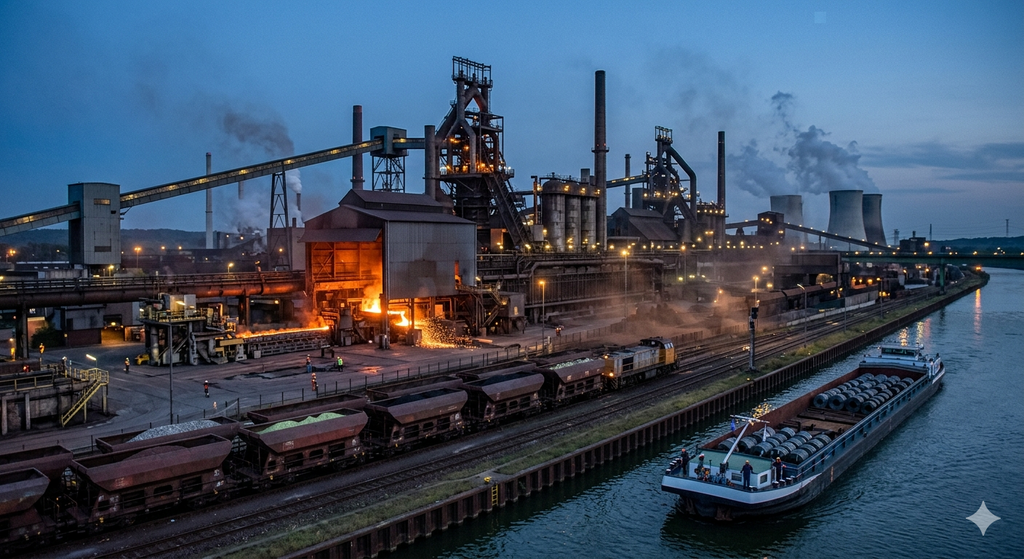
Steel is one of the most important materials in the modern world. It is used in the construction of buildings, bridges, cars, and machinery. At the same time, its production requires a great deal of energy and generates large amounts of CO₂. This is precisely why steel recycling plays a crucial role in environmental protection and a sustainable economy.
In steel recycling, old steel—known as scrap—is collected, sorted, and melted down. This process usually takes place in special furnaces where the steel is liquefied at very high temperatures. The material can then be processed into new products with virtually no loss of quality. This is a major advantage over many other materials: steel can be recycled over and over again without losing its properties.
Another important aspect is energy conservation. Producing new steel from iron ore requires significantly more energy than recycling existing material. Reusing steel therefore helps conserve natural resources such as iron ore and reduces greenhouse gas emissions.
Furthermore, steel recycling helps reduce waste. Old cars, household appliances, or construction waste do not have to end up in landfills but can be returned to the production cycle. Many countries have therefore established well-organized collection and recycling systems to recover as much steel as possible.
Overall, it is clear that steel recycling is a key component of a sustainable future. It combines economic benefits with environmental protection and helps to use resources more efficiently.